| Build Your Own Raceboat |
|
BUILD A RACEBOAT >>>
Tunnelboats :
V-bottoms :
My Customer's Projects :
Bob's Projects :
CONTACT Powerboat Racing >>> Mini GT : GT Pro : Sport C : Boats For Sale : About Bob : Sitemap : HELP! : HOME Cockpit Plans : Seat Plans |
Jack Plate Plans
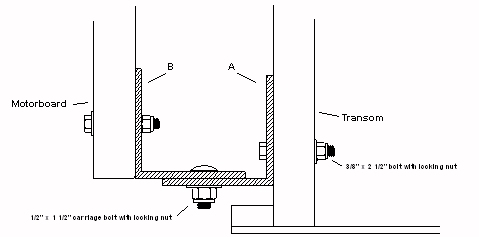
Send a Link to a FriendNo high performance boat is complete without the ability to make vertical adjustments to the motor. Shims under the clamp bracket only get you so far. And if your transom is not already substantially higher than that on a typical boat, there will be no way to get your prop up to the surface where it can really perform.
A jack plate is the equipment you need to add vertical adjustment to your motor.
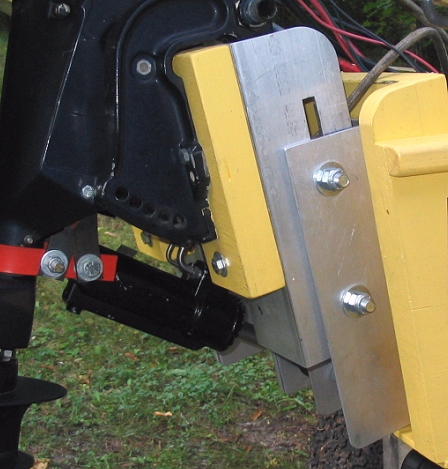
After making a few jack plates for my own boats, I have come up with a simple design that works for me. It not only gives me three inches of vertical adjustment, it also gives me about six inches of setback, so my prop can run in relatively clean water.
Built with 1/4" aluminum, this jack plate will easily accomodate the 2-cylinder, 40hp Nissan and Tohatsu motors used in Sport C racing. For larger, heavier motors 3/8" aluminum would be advised.
The plans also show you how to add a bracket to your jackplate to accomodate a racing-style trim system.
You won't need much more than a hacksaw, drill and file to make this jack plate. As always, a drill press will be a big help when boring metal, even aluminum. But with care and patience, a handheld electric drill will do the job.
Plans include online construction notes and photographs to guide you through the project.
$10.00 Instant Download


Seat Plans : Cockpit Plans
other payment options
See The Online Contruction Notes
Continue Shopping
Send a Link to a Friend
Buy Plans Now or Continue Shopping

Dillon Racing Stuff: T-shirts, sweatshirts, and more....
Note: Store items come from a secondary supplier and can
only be purchased through their shopping cart